
Элементы из конструкционной стали соединяются друг с другом с помощью накладных элементов или соединителей, которые могут быть угловыми профилями., пластины или даже параллельные фланцевые каналы (ПФК). Это некоторые из распространенных конфигураций, принятых на рабочих местах., особенно когда в основном используются болты или болтовые соединения. Для сварных соединений, элементы иногда напрямую соединяются друг с другом без каких-либо наполнителей или промежуточных соединителей.. В этой статье мы сосредоточимся на болтах., шестигранная головка и потайная, и некоторые из распространенных болтовых соединений, используемых.
Болты с шестигранной головкой и потайной головкой
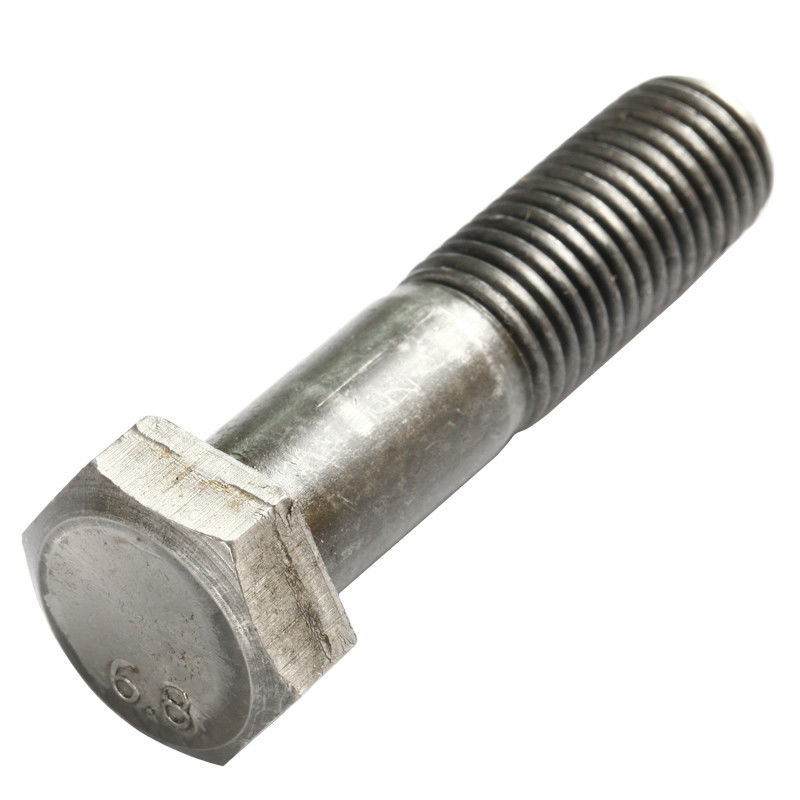

Болт с шестигранной головкой слева — это обычный конструкционный крепеж.. Болт с потайной головкой справа имеет коническую головку, которая находится на одном уровне с поверхностью слоя., что имеет значение, если выступающая головка заденет опорную поверхность или движущуюся часть. Эта конусность также снижает его несущую способность., как описано ниже.
Американский институт стальных конструкций (Aisc)
AISC в основном использует английские единицы измерения. (дюйм, фунты) хотя аналог SI также поддерживается и доступен. Следует принять во внимание, что размеры в английской системе обычно указываются с шагом в одну восьмую дюйма. (⅛”), которые могут не совсем совпадать с теми, что в SI.
Сравнение диаметров болтов
| ½” | – |
| ⅝” | M16 |
| ¾” | M20 |
| ⅞” | М22 |
| 1» | M24 |
| 1 ⅛” | М27 |
| 1 ¼” | M30 |
| 1 ⅜” | – |
| 1 ½” | M36 |
Это ближайшие практические эквиваленты, не взаимозаменяемые размеры. Болт ¾ дюйма есть. 19.05 мм против 20 мм для М20, поэтому размеры отверстий и расстояния до краев различаются, и их нельзя заменить друг другом на чертеже..
Высокопрочные болты
Спецификации материалов болтов предоставлены Американским обществом испытаний и материалов. (ASTM), а AISC сортирует их на две группы по силе:
Группа А — ASTM F3125 Марки A325, А325М и F1852; ASTM A354 Класс BC; АСТМ А449
Группа Б — ASTM F3125 Марки A490, А490М и F2280; ASTM A354, класс BD
ASTM F3125 — это объединенная спецификация, вобравшая в себя более старую автономную спецификацию A325., А490, Документы F1852 и F2280, именно поэтому теперь они отображаются как оценки внутри него, а не как отдельные спецификации.. Старые чертежи и расчеты все еще называют их старым способом..
Помимо различий в прочности и других свойствах, эти группы предъявляют разные требования к минимальному предварительному натяжению в зависимости от диаметра болта..
Еврокод 3 (Национальное приложение Великобритании)
Еврокод полностью представлен в единицах СИ., поэтому болты обозначаются в миллиметрах с префиксом размера “M”, например M16 означает 16 Диаметр болта мм.
| М12 |
| M16 |
| M20 |
| M24 |
| M30 |
Классы болтов и сильные стороны
Болты Еврокода классифицируются по обозначению, состоящему из двух частей, которое кодирует обе прочности.. Для класса, написанного как а.б., предел прочности на растяжение составляет а × 100 МПа, и предел текучести б/10 этой ценности. Итак, класс 4.6 имеет предельную прочность на разрыв 400 МПа и выход 240 МПа, в то время как Класс 8.8 имеет 800 МПа предельное и 640 Выход МПа.
Правильное решение этих двух вопросов имеет значение., потому что формулы сопротивления болта принимают предельное значение. При расчете фактического сопротивления болтов, на емкость также влияет предварительная нагрузка, называется претензией в терминах AISC, что в некоторых случаях увеличивает несущую способность болта, если применяется правильное натяжение..
| Класс | Растяжимый, чушь (МПа) | Урожай, фантазия (МПа) | Диапазон диаметров |
| 4.6 | 400 | 240 | М5 – M36 |
| 4.8 | 400 | 320 | М1.6 – M16 |
| 5.8 | 500 | 400 | М5 – M24 |
| 8.8 | 800 | 640 | М1.6 – M36 |
| 9.8 | 900 | 720 | М1.6 – M16 |
| 10.9 | 1000 | 900 | М5 – M36 |
| 12.9 | 1200 | 1080 | М1.6 – M36 |
Примечания к шестигранным болтам и болтам с потайной головкой
Различия в геометрии болтов с шестигранной головкой и потайной головкой влияют на несущую способность., потому что коническая головка удаляет материал со слоя, в котором она находится.. Эффективная толщина подшипника равна толщине слоя за вычетом глубины зенковки., что и показано на рисунке ниже. (См. Руководство AISC, 14-е изд., инжир. 7-10.)
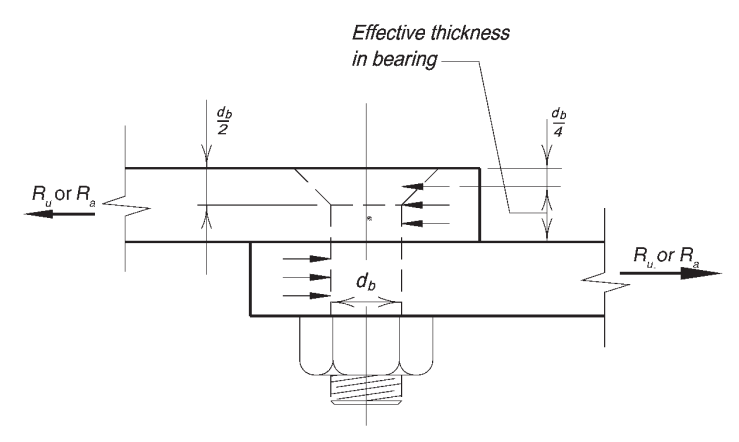
фигура 1. Эффективная толщина опоры болта с потайной головкой
Спецификации соединений и отверстия под болты
Болтовые соединения могут быть указаны как плотно затянутые., с предварительным натяжением или критическим скольжением. Эти условия играют большую роль при выборе используемого отверстия под болт.. Типы отверстий стандартные (нормальный, в терминах EN), негабаритный, или с прорезями, короткие или длинные, и они принимаются в соответствии со спецификацией подключения. Спецификация RCSC устанавливает требования к герметичному состоянию.. Если соединение предназначено для чего-либо, кроме плотного, это состояние должно быть четко обозначено на чертежах., будь то предварительное натяжение AISC или требование предварительной нагрузки EN.
Различие не в бумажной волоките. Плотно затянутый болт противостоит нагрузке подшипника после соскальзывания в контакт., в то время как соединение, критическое для скольжения, спроектировано таким образом, что сила зажима вообще останавливает движение слоев.
Соединения, критически важные для скольжения, имеют значение везде, где необходимо предотвратить скольжение., и при расчете сопротивления скольжению применяются разные коэффициенты в зависимости от типа отверстия, поскольку отверстие увеличенного размера или с прорезями дает слою больше места для перемещения, прежде чем он выдержит. В большинстве случаев, стандартные или нормальные отверстия для болтов принимаются вместе с указанным уровнем предварительного натяжения или предварительной нагрузки.. Эти переменные можно моделировать и анализировать с помощью таких инструментов, как Анализ и проектирование стальных конструкций SkyCiv, что помогает инженерам учитывать поведение соединений в более широкой структурной системе..
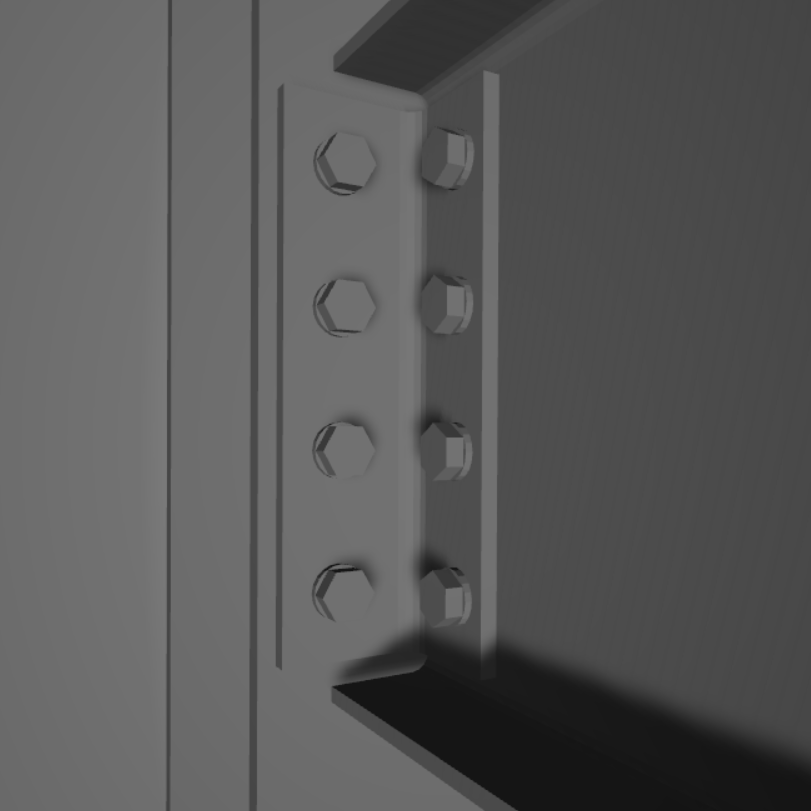
фигура 2. Болтовой угол, тип соединения на срез
Болтовые соединения
Болтовые соединения могут использоваться как в соединителях срезных пластин, например, в перемычках., тройники, и углы перемычки и сиденья, и в момент соединения (жесткий, полностью сдержанный) которые обычно используют наполнитель, пластины непрерывности и сращивания. Использование болтов означает добавление промежуточного соединителя или соединительного элемента только что упомянутого типа..
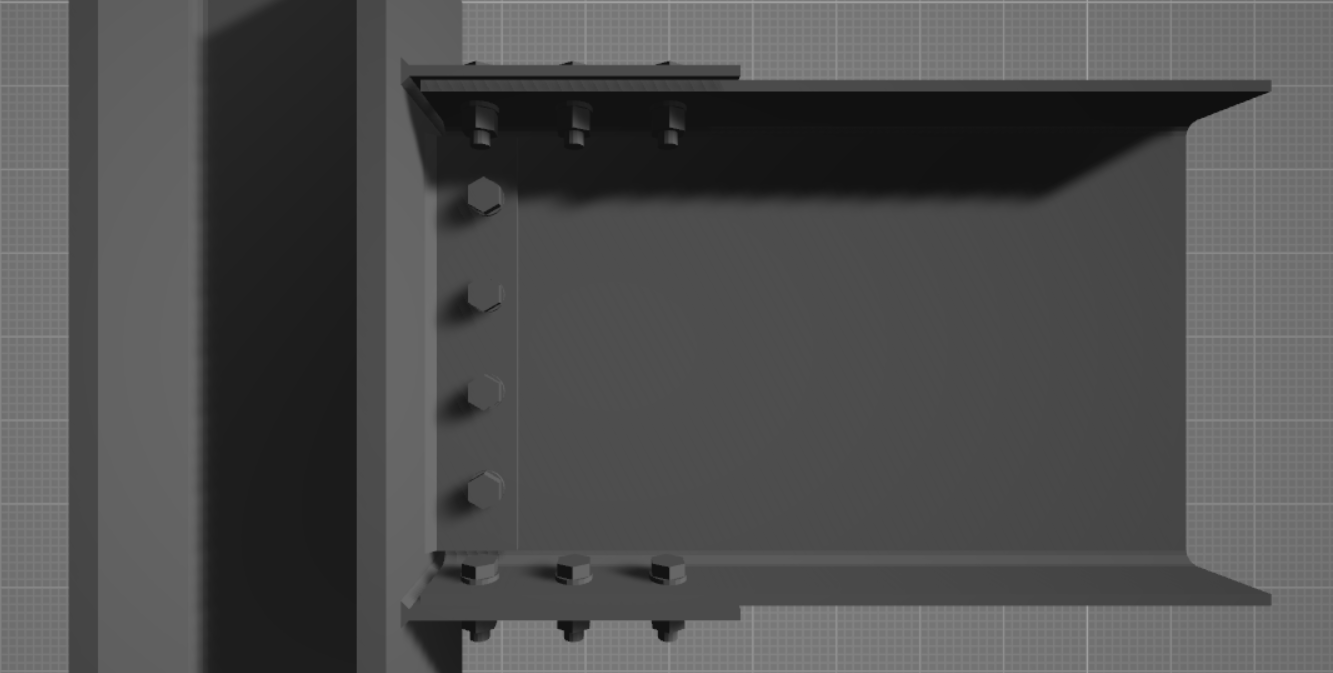
фигура 3. Болтовое соединение с фланцевой пластиной
Теоретически существует множество способов комбинирования конфигураций подключения.. На практике, технологичность и стоимость изготовления означают, что определенные типы соединений предпочтительнее других и поэтому получают более широкое распространение.. Вот некоторые из распространенных типов соединений, в которых используются болты., с краткими описаниями.
ножницы (просто) Различные типы структурных опор
- Одинарная/двойная пластина (вкладка или плавник) использует пластину или пластины для соединения стенки балки с опорным элементом, балка или колонна. Одна сторона обычно требует сварки по краю пластины., при этом болты соединяют его внахлест со стенкой балки.
- Одинокий/Двойной угол похож на тарелки, за исключением того, что уголки могут крепиться болтами с обеих сторон соединения.
- Угол сиденья, как следует из названия, использует угловую секцию для опоры фланца поддерживаемого элемента (или плоская стена для закрытой секции) чтобы балка могла сидеть на ней. Во всем этом типе соединения можно использовать болты..
момент (Сдержанный) Различные типы структурных опор
- Фланцевые пластины, используется вместе со сдвиговым соединением, обеспечить непрерывность полок, входящих в колонны моментоустойчивого каркаса, или, в более общем смысле, в соединениях членов.
- На колоннах из быстрорежущей стали имеются воротник и сквозные пластины. (RHS или CHS) являющийся частью моментоустойчивой рамы. Сквозная пластина прорезает колонну, в то время как вокруг него установлена воротниковая пластина, носят как воротник на рубашке. Оба варианта дороги в изготовлении из-за необходимости резки и подгонки..
Посетите нашу статью о Типы стальных соединений Узнать больше, сравнить крепления в болты против сварных швов против заклепок, или попробуйте наш калькулятор прочности болта на сдвиг. В документация по болтам рассказывает о том, как классифицировать болты, типы отверстий и предварительное натяжение вводятся в модуль проектирования соединений.
Попробуйте сейчас
Выбирайте болтовое соединение, установить класс болта, диаметр и тип отверстия, и каждая проверка болта возвращается с его коэффициентом использования и стоящим за ним пунктом. Он запускается в браузере, нечего устанавливать.
Ссылки
[1] Американский институт стальных конструкций (Aisc). (2016). Спецификация для зданий из конструкционной стали. Чикаго, НАШИ 60601-6204
[2] Американский институт стальных конструкций (Aisc). (2011). Руководство по стальным конструкциям. 14й Эд. Чикаго, НАШИ 60601-6204
[3] Институт стальных конструкций и Британская ассоциация производителей металлоконструкций. (2014). Соединения в стальных конструкциях Простые соединения по Еврокоду 3. Аскот SL5 7QN; Лондон SW1A 2ES, Великобритания
[4] Институт стальных конструкций и Британская ассоциация производителей металлоконструкций. (2014). Соединения в стальных конструкциях, устойчивые к моменту соединения по Еврокоду 3. Аскот SL5 7QN; Лондон SW1A 2ES, Великобритания
